
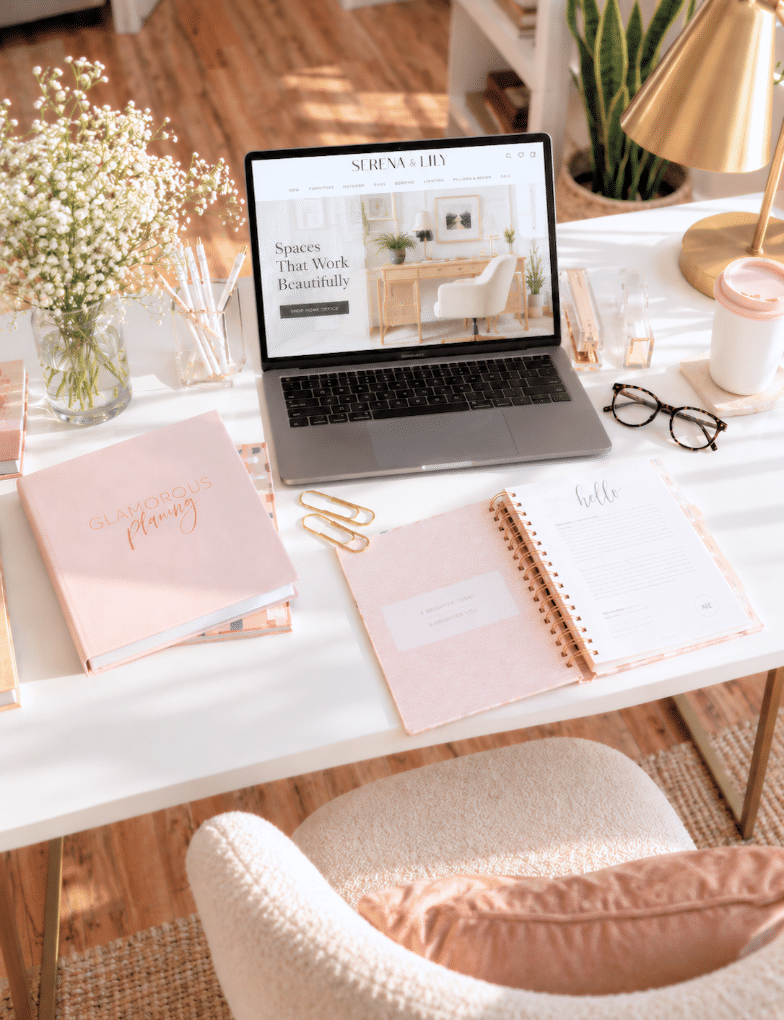
How to Create the Perfect Home Office
For many of us, home has become our office, too. And before we go any further, a tremendous thank-you to all the frontline workers working so hard to keep us safe during this time. ❤️
Whether your new command center is the dining room table, a corner of your bedroom, or an actual designated office, one thing is certain: our homes are doing a lot of heavy lifting right now.
Between work assignments, emails, appointments, and the never-ending list of day-to-day necessities, having a space that helps us stay organized can make a world of difference. It’s where we attempt to create a little order out of chaos—and where we hope to get things done without losing our minds in the process.
Of course, even the best-laid plans can fall apart. Our once-tidy workspaces become buried beneath paperwork, coffee mugs, random pens, and things we swear we’ll put away later.
Keeping your home office clean, functional, and aesthetically pleasing is a feat worthy of applause. After all, our surroundings can influence how we feel and how easily we focus.
So, let’s give our workspaces a little attention and make them feel less like a temporary landing zone and more like a place we actually want to work.
Define Your Space
Not everyone has a spare room they can dedicate to an office. In fact, plenty of us are working in spaces that already serve two—or even three—other purposes. Your office might be a little nook in your bedroom, a corner of the living room, or the dining table that needs to be cleared before dinner.
And that’s okay! You don’t need an entire room to create a functional workspace.
Start by looking at the space you have and deciding what you need from it. If you’re fortunate enough to have a larger area, define your work zone without adding furniture just to fill empty space. A desk, chair, and a few well-chosen storage pieces may be all you need.
If you’re working with a smaller area, focus on functionality. Look for furniture that can serve more than one purpose, use vertical space when possible, and keep your work essentials together so they’re easy to find.
Even a small visual distinction—a desk lamp, a rug, or a dedicated tray for your supplies—can help separate your workspace from the rest of the room.
The goal isn’t to create a picture-perfect office overnight. It’s to give your work a home.
Add Things That Spark Joy
Remember Marie Kondo and the whole spark joy movement? There’s something to be said for surrounding yourself with things that make you happy.
Your workspace doesn’t have to be all business, all the time. A few personal touches can make it feel more inviting and give you something pleasant to look at when your inbox is testing your patience.
Love flowers? Add a small vase to your desk. Short on space? A mini shelf can hold a tiny plant or a little bud vase. Greenery and flowers bring color and a touch of nature indoors, even when you’re spending most of your day at home.
Does art make you happy? Hang a print above your desk or prop a framed piece against the wall. You don’t have to spend a fortune, either. A little paint, crayons, glue, and some basic paper or artboard are enough to create something of your own.
Art can add personality to a plain space, whether you want something calming, colorful, inspiring, or just plain fun.
Choose things that feel like you. Your workspace should support your day, not look like a showroom that nobody is allowed to touch.
Choose Your Colors With Care
If there’s anything I’ve learned from binge-watching HGTV, it’s that color is powerful!
Color can change the feel of a room and influence the atmosphere you’re trying to create. Before choosing accessories or painting a wall, think about how you want your office to feel.
Want a calm, peaceful space? Soft neutrals and muted tones might be a good fit. Prefer something energizing? Try a few brighter accents. Love a little color but don’t want to commit to painting? Bring it in through artwork, desk accessories, notebooks, or flowers.
You don’t have to follow every design trend to create a workspace you love. Choose a palette that feels good to you, then use it as a guide when adding new pieces.
It’s Time to Purge
Before we get to the fun part, we need to address the clutter. You know the junk drawer. The stacks of papers. The random items that somehow ended up on your desk and have now become permanent residents.
It’s time to send them packing! Start by sorting everything into three piles:
- Keep: Items you use regularly or genuinely need to hold on to.
- Throw Away: Broken, outdated, or unnecessary items that no longer serve a purpose.
- Shred: Documents containing personal or sensitive information that you no longer need.
Be honest with yourself about what deserves to stay. If you haven’t used something in ages and can’t think of a good reason to keep it, it may be time to let it go.
Once you’ve sorted everything, give the items you’re keeping a proper home. That could mean a labeled bin, a filing cabinet, a shelf, or a simple drawer organizer.
A little decluttering now can save you from having to dig through a mountain of miscellaneous things the next time you need one very specific document.
Storage, Storage, Storage
Oh my, oh my, The Container Store is calling my name!
I’m a little obsessed with storage—but more importantly, I’m obsessed with finding the right storage pieces.
Before buying anything, take stock of what you already own and what you actually need to store. There’s no point in purchasing a dozen beautiful baskets only to discover that none of them fit beneath your desk.
Think about the types of items you need to organize, how often you use them, and where they’ll be easiest to access. Then choose storage that works for your space.
Boxes, bins, woven baskets, cabinets, shelving, file holders—the possibilities are endless. You can find pieces that are practical and stylish without turning your office into a storage showroom.
And remember, you don’t have to buy everything at once. Start with the areas causing the most frustration and build from there.
Labels Over Here, Colors Over There
I’ll admit it: I’m a tinsy bit extreme when it comes to organizing, color-coding, and labeling.
I’m talking highlighting, color-coding, adding tabs, and organizing anything that isn’t moving. You’ve met me, right?
Yeah…But there’s a method to my madness!
Labels make it easier to find what you’re looking for and return things to their proper places. Color-coding can also help you identify categories at a glance, whether you’re sorting paperwork, organizing project folders, or keeping track of different tasks.
You could assign a color to each project, use labeled folders for important documents, or keep office supplies grouped by category.
The key is consistency. A system only works if you can remember it and maintain it without creating more work for yourself.
And if your folders happen to look extra pretty in the process? Well, that’s just a bonus.
Conquer Your Desk Accessories
Function is the name of the game here. We want a workspace that’s organized and stylish without every inch of the desk being covered in stuff.
Start by keeping the essentials within reach. Group similar items together, and organize them based on how you use them. If you reach for pens and notebooks throughout the day, keep them nearby. Items you rarely use can live in a drawer or on a shelf.
You can also get creative with everyday storage solutions. A tiered kitchen shelf might double as a paper organizer, while a clear makeup caddy can hold paperclips, decorative pins, a letter opener, and other small supplies.
Before buying something specifically marketed for an office, consider whether you already own an item that could do the job.
And don’t forget to leave yourself some actual desk space! A clear surface gives you room to work, write, spread out documents, or simply enjoy your morning coffee without balancing it on top of a stack of notebooks.
Tame the Cords
I hate cords. I know they’re necessary, but oh my gosh, I seriously hate seeing them. There’s nothing worse than having a beautiful desktop with a little jumble of cables jutting out here, there, and everywhere.
Fortunately, there are a few ways to get them under control.
Cable ties and cord wraps can bundle loose wires together, while adhesive cable clips help guide cords along the back or underside of your desk. A cable box can also conceal a power strip and help reduce visual clutter.
If you’re setting up a new workspace, think about where your outlets are before deciding where everything will go. A little planning can save you from having cables stretched awkwardly across the room.
And where possible, opt for cordless accessories.
It’s a small detail, but tidying up those wires can make your workspace feel noticeably calmer. Plus, fewer tangled cords mean less time spent crawling under your desk trying to figure out which plug belongs to what.
Ask me how I know.
Bring Out the Inspiration
If you don’t have a lovely view from your desk, create one!
Your workspace should include a few things that make you smile and remind you why you’re doing what you’re doing. This could be family photos, inspirational quotes, artwork, pictures of places you’d love to visit, or goals you’re working toward.
If you’re working from home during quarantine, a little visual inspiration can also help break up the monotony of spending so much time in the same surroundings.
Try creating a small inspiration board above your desk, displaying a favorite print, or keeping a meaningful object nearby. You could even rotate what’s on display whenever you need a change of scenery.
Just remember to strike a balance between inspiration and distraction. A few meaningful pieces can help personalize your space without competing with the work in front of you.
The best part? You don’t need a huge office to make it feel personal. Even the smallest corner can have a little charm.
Make It Work for Your Space
Here’s the thing: your home office has to work for your home, not someone else’s Pinterest board.
If your desk is in the living room, you may need a way to pack everything away at the end of the day. If you’re sharing a workspace with someone else, a set of labeled bins or separate desk organizers can help keep everyone’s things in order.
And if your bed has become your office, dining room, and everything in between, I get it. Sometimes the available space is limited, especially when we’re all spending more time at home.
Still, if you can, try to create a separate spot for work rather than working from bed every day. Having a designated workspace can help establish a boundary between work and rest, making it easier to switch off when the day is over.
Short on room? Here are a few ideas:
- Try a small desk or wall-mounted shelf. A compact desk or floating surface can create a work zone without taking up too much floor space.
- Use a portable setup. A lap desk or bed tray can provide a temporary surface when you have no other option. Just be mindful of your posture and take breaks rather than staying in one position for hours.
- Make use of vertical space. Wall shelves, pegboards, and hanging organizers can keep supplies accessible without crowding your desktop.
- Choose furniture that does double duty. A small side table, storage ottoman, or desk with built-in drawers can make a small room work harder.
- Create an end-of-day routine. Put away your laptop, gather your papers, and clear the surface so your workspace can return to being part of your home.
You don’t need an elaborate setup or a big budget to make working from home more comfortable. Start with what you have, make a few thoughtful adjustments, and change things as you learn what works best.
Your Home Office, Your Way
Creating the perfect home office isn’t about having the most expensive desk, the prettiest accessories, or a room that looks ready for a magazine shoot.
It’s about building a space that helps you feel comfortable, organized, and ready to tackle the day.
Define your work zone, clear out the clutter, find storage that makes sense, and surround yourself with a few things you love. Whether you have an entire room or just a small corner of the dining table, there’s always a way to make your workspace work a little better for you.
And if your desk gets messy again next week? Don’t panic. That’s what a quick reset is for.
What’s one thing you can’t live without in your home office?





My husband and I both now have our own work spaces set up in our livingroom. We can’t really see the tv but can see what the kids are doing so it seems to work well.
Got to have that vision to the kiddos! I never thought about using the living room (I’m bouncing between my bedroom and the kitchen) so I’ll give that a go!
Love this Mauri!!!
The detail, the comments! Love this for you!?
Aww! Don’t make me Oprah cry girl! That’s so sweet, thank you!
I love these ideas. I’m working from home right now and I really need to add some inspiration and color to my area!
I just printed some of my favorite pics from Pinterest and they add so much color and keep me inspired! I like Shutterfly’s collage option (you could have them all in one place) or just printing them individually and switching them out when I want a change!
My home office is typically my bed, but there are times the temptation of sleep wins and I don’t get what I needed accomplished. I need to definitely put together an office space!
I was the exact same way, still am sometimes! The bed is just so comfy though! But yeah, it can be difficult to separate work and relax/sleep when it’s all in the same place. Creating an office space really does help!
Oh my goodness I loathe cords too! Cable ties for them is the absolute best. We’ve had to make a space for my husband to work from home and definitely purged and used some creative storage to make room for him.
Right! I know we need the cables but ugh I can’t stand them getting all tangled! I totally feel ya, Target has been my bff for my storage needs now!
I love this! I thought about making an office in the corner of the living room but decided to just use the couch instead and call it a day!
I have a small desk in the corner of my bedroom but the truth is I use my bed about 60% of the time.